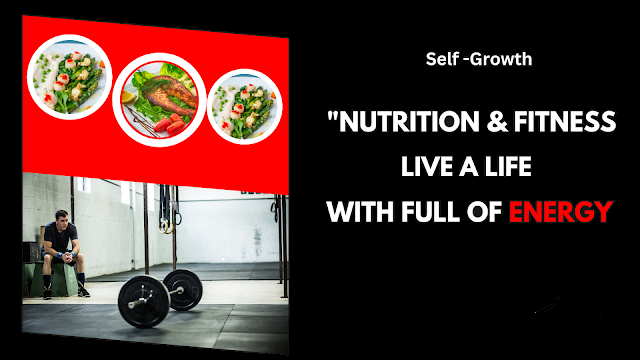
Understanding meal timing is crucial for weight loss and optimal health. We live in a world rich with information, and the internet offers countless resources on health and fitness. My goal is to guide you toward a healthier, more disciplined life through better meal timing strategies and smarter food choices combined with regular exercise.
After five years of researching health and weight loss, I successfully lost 20 kg by discovering what I call the “7+1+7” meal timing method. This approach revolutionizes when and how you eat, helping you maintain energy, boost mood, and achieve sustainable weight loss.
Show Image
How Food Affects Mood and Mental Performance
The Powerful Connection Between Diet and Mental Health
Food powerfully shapes your mood and energy levels. According to Harvard Medical School, choosing fresh, homemade balanced meals and eating at optimal times fuels your body with essential nutrients, keeping your mood vibrant and your mind sharp. Poor meal timing and food choices can leave you feeling tired, sluggish, and mentally foggy.
Understanding how food affects mood is essential for maintaining both physical and mental health. The nutrients you consume directly impact neurotransmitter production, which regulates emotions, focus, and overall mental clarity.
Foods That Boost Energy and Mood
Research from Psychology Today shows that certain foods dramatically improve mental health and energy:
- Complex carbohydrates stabilize blood sugar and mood
- Omega-3 fatty acids reduce depression and anxiety
- Protein-rich foods support neurotransmitter production
- Fresh fruits and vegetables provide antioxidants that protect brain health
The 7+1+7 Meal Timing Method for Weight Loss
What Is the Best Time to Eat for Weight Loss?
After extensive research and personal success losing 20 kg, I developed the “7+1+7” meal timing strategy. This method optimizes when you eat throughout the day, supporting metabolism, energy levels, and sustainable weight loss.
The best time to eat breakfast and subsequent meals follows this proven schedule:
Your Complete Meal Timing Schedule
7:00 AM – Breakfast Start your day with a hearty balanced meal that provides sustained energy. This is the best time to eat breakfast because it jumpstarts your metabolism after overnight fasting. Include protein, complex carbohydrates, and healthy fats. Try eggs with whole grain toast, oatmeal with nuts, or a protein smoothie.
Research on intermittent fasting schedule patterns shows that breaking your fast at the right time maximizes metabolic benefits and supports weight loss.
10:00 AM – Morning Snack (The “+1”) At 10:00 AM, enjoy tea with a small, nutritious snack. This strategic meal timing provides a small energy boost to maintain focus and prevent mid-morning energy crashes. Choose nuts, fruit, or yogurt.
1:00 PM – Lunch Have lunch at 1:00 PM with a balanced meal containing proteins and carbohydrates. Include chicken, fish, rice, quinoa, salad, and yogurt. This meal sustains you through the afternoon and prevents overeating later.
4:00 PM – Afternoon Fruit Eat fresh fruit at 4:00 PM. This meal timing strategy provides natural sugars, fiber, and vitamins while keeping you satisfied until dinner. The spacing between meals maintains stable blood sugar and energy levels.
7:00 PM – Light Dinner Aim to have dinner between 6:00 and 7:00 PM. Keep this balanced meal light, as your body is winding down. A lighter evening meal improves sleep quality and supports overnight fat burning—critical for weight loss.
Learn more about creating a personalized nutrition plan that complements this meal timing approach.
Show Image
What to Avoid for Optimal Meal Timing Results
Foods That Sabotage Your Weight Loss Goals
Processed and Frozen Foods Limit processed and frozen foods, opting for fresh ingredients whenever possible. According to Mayo Clinic, processed foods often contain hidden sugars, unhealthy fats, and excessive sodium that interfere with weight loss and optimal health.
Sugary Snacks and High-Sugar Foods Biscuits, candies, and high-sugar foods can lead to rapid weight gain, premature aging, and increased diabetes risk. These foods spike blood sugar, disrupting the benefits of proper meal timing.
Dehydration Drink 8-10 glasses of water daily. Proper hydration supports metabolism, helps control appetite, and enhances the effectiveness of your meal timing strategy.
Discover more healthy eating habits for sustainable weight loss to complement your new schedule.
Creating Balanced Meals: The Perfect Macronutrient Ratios
How to Build a Balanced Meal for Every Meal Timing Window
Understanding macronutrient ratios is essential for maximizing your meal timing strategy’s effectiveness. Each balanced meal should include optimal proportions of carbohydrates, protein, and fats.
Carbohydrates (40-50% of Each Meal)
Add 40-50% carbohydrates to every meal. Carbs support brain function, muscle growth, and provide your main energy source. When combined with proper meal timing, complex carbohydrates stabilize blood sugar and enhance weight loss.
Best sources include fruits, vegetables, whole grains, brown rice, quinoa, oats, and sweet potatoes. These foods that boost energy and mood provide sustained fuel throughout the day.
Protein (25-30% of Each Meal)
Include 25-30% protein in your meals for muscle repair, immune function, and satiety. Research from the American Journal of Clinical Nutrition shows protein helps maintain muscle mass during weight loss and increases metabolic rate.
Excellent sources include chicken, fish, eggs, tofu, legumes, Greek yogurt, and lean meats.
Healthy Fats (20-30% of Each Meal)
Add 20-30% healthy fats to daily meals. These fats improve brain health, hormone production, and help absorb vitamins. When consumed at optimal meal timing intervals, healthy fats increase satiety and support weight loss.
Choose desi ghee, nuts, seeds, olive oil, avocados, and fatty fish like salmon.
Show Image
The Exercise Connection: Amplifying Meal Timing Benefits
Why Exercise Timing Matters for Weight Loss
Combining proper meal timing with regular exercise creates synergistic benefits for weight loss and overall health. Understanding when to exercise relative to your meals maximizes fat burning and energy utilization.
Explore our guide on exercise and nutrition timing for optimal results.
Physical Benefits of Regular Exercise
Cardiovascular Health Improvement Regular exercise strengthens the heart, improves circulation, and reduces heart disease and stroke risk. When paired with strategic meal timing, cardiovascular exercise burns fat more efficiently.
Weight Management and Fat Loss Exercise helps burn calories, reduces body fat, boosts metabolism, and helps maintain healthy weight. The combination of proper meal timing and exercise creates a powerful weight loss strategy.
Muscle Mass Development Exercise strengthens muscles, leaving you feeling more energetic and strong in daily life. Consuming protein at optimal meal timing windows maximizes muscle growth and repair.
Bone Density Enhancement Activities like running, walking, swimming, and weightlifting keep bones strong and prevent osteoporosis as you age.
Immune Function Boost According to Johns Hopkins Medicine, regular exercise boosts immune function, making it easier to fight infections and illnesses.
Increased Energy Levels Regular exercise boosts energy levels throughout the day. When combined with proper meal timing, you’ll experience sustained vitality and alertness.
Mental and Emotional Benefits
Stress Reduction Exercise releases endorphins, the body’s natural mood boosters, reducing stress, depression, and anxiety. This is one of the key ways exercise demonstrates how food affects mood when combined with nutrition.
Enhanced Mental Health and Mood Regular physical activity enhances mental clarity, increases self-esteem, and improves overall mood. The relationship between exercise and mental health parallels how proper meal timing and balanced meals support emotional wellbeing.
Improved Sleep Quality After exercising, you’ll enjoy longer, more restful sleep and feel refreshed the next day. Better sleep enhances the benefits of your meal timing schedule by optimizing hormones that regulate hunger and metabolism.
Cognitive Function Enhancement Exercise improves blood flow to the brain, boosting memory, focus, and cognitive function. This mental clarity keeps you sharp all day—similar to how proper meal timing and foods that boost energy and mood enhance brain performance.
Self-Discipline Development Regular exercise fosters discipline, strengthens willpower, and encourages goal achievement—qualities that also help you maintain your meal timing schedule consistently.
Check out our complete fitness guide for beginners to get started today.
Show Image
Long-term Benefits of Meal Timing and Exercise
Sustainable Weight Loss and Health Transformation
Increased Longevity Regular exercise combined with optimal meal timing promotes a long, healthy life. Research from The Lancet shows this combination reduces the risk of chronic conditions like diabetes, heart disease, and cancer.
Enhanced Quality of Life Proper meal timing and regular exercise positively impact your mood, mind, heart, and body. You’ll feel energetic throughout the day and experience the profound benefits of this diet for better mental health.
Diet for Better Mental Health: The Complete Picture
The connection between nutrition timing and mental health cannot be overstated. When you eat matters almost as much as what you eat. The 7+1+7 meal timing method stabilizes blood sugar, which directly affects neurotransmitter production and mood regulation.
By consuming balanced meals at optimal times, you provide your brain with consistent fuel, preventing the mood swings and energy crashes that come from irregular eating patterns or poor meal timing.
Conclusion: Transform Your Life with Strategic Meal Timing
Now that you understand the importance of meal timing for weight loss, proper nutrition, and exercise, incorporating these strategies into your daily life will dramatically improve your overall wellbeing. The 7+1+7 method isn’t just another diet—it’s a sustainable lifestyle approach that addresses when you eat, what you eat, and how you move.
A balanced meal schedule combined with regular exercise will keep you in good health, make you feel more energetic, help you achieve lasting weight loss, and keep you away from doctors. Start implementing the best time to eat breakfast and follow the complete schedule today. Your body and mind will thank you.
Remember: meal timing is the missing piece in most nutrition plans. Master it, and you’ll unlock unprecedented results in weight loss, energy, mood, and overall health.


















Interesting read! I’ve always believed that food and exercise are the foundation of a healthy lifestyle, but it’s refreshing to see it broken down so clearly. The emphasis on balancing carbs, proteins, and fats makes a lot of sense—it’s not just about eating less but eating right. I’m curious, though, how do you suggest someone start incorporating these changes if they’re used to a less structured diet? Also, the point about exercise is spot on, but what’s your take on finding motivation on days when you just don’t feel like it? I’d love to hear more about practical tips for staying consistent. Do you think small, gradual changes are better than diving in all at once?
Thank you so much! I’m glad the article was helpful. You’re right — it’s about eating right, not just less. For those starting with an unstructured diet, I suggest small steps: set fixed meal times, swap processed snacks for fruits, and drink more water.
When motivation is low, I keep it simple — even a 10-minute walk helps. Music or a motivational video can boost energy too. Gradual changes always work better long-term. Let me know if you’d like a basic meal plan or beginner workout tips!